My Tasks
Introduction
Bringing SharePoint Online and Azure DevOps together lets teams work with real-time engineering data without leaving the collaborative space where they already plan, document, and communicate.
This article walks you through installing and configuring the Azure DevOps Query Viewer Web Part in SharePoint Online to display the results of an Azure DevOps query.
Whether you're a developer streamlining your workflow or an administrator improving your team's project management, this step-by-step guide will help you set up and customize the web part for your needs.
Azure DevOps Query Viewer Web Part
The Azure DevOps Query web part is part of the My Tasks solution and has been available since version 6.x.
📝 Note
To use this web part, make sure your My Tasks solution is updated to the latest version. For step-by-step instructions, see the solution update guide.
Prerequisites
Before you install and configure the web part on your SharePoint Online site, make sure the following prerequisites are in place:
1. Approved API Access for the SharePoint Solution
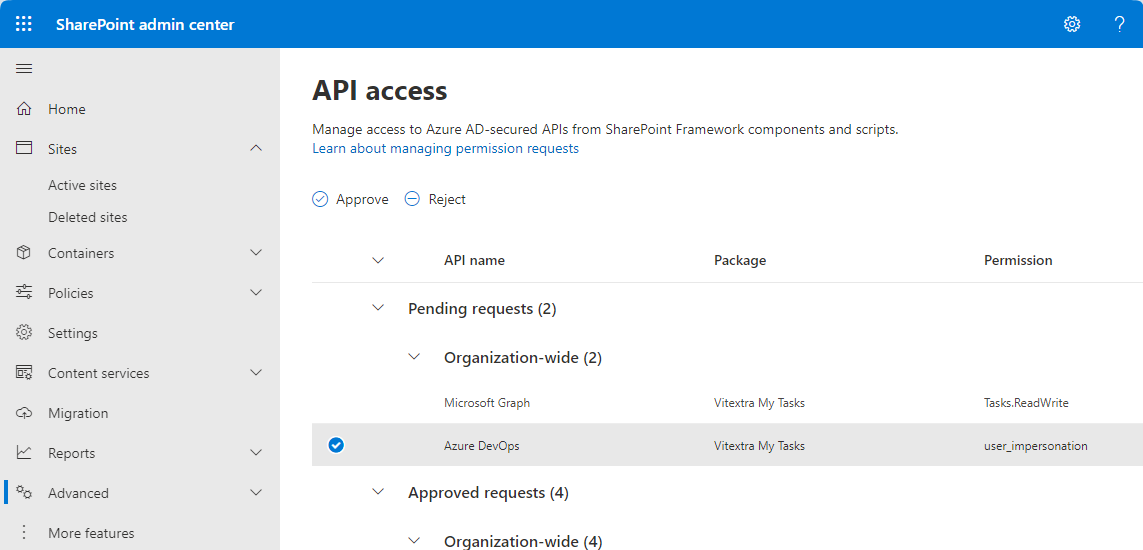
Approve the API permission requested by the My Tasks package in API access in the SharePoint admin center: resource Azure DevOps, scope user_impersonation. This allows the web part to call the Azure DevOps REST APIs on behalf of the signed-in user.
Without this access, the web part cannot retrieve or display data from Azure DevOps.
💡 Tip
For detailed installation instructions, see the How to Install a Vitextra Product in SharePoint Online article.
2. Access to Azure DevOps Organization
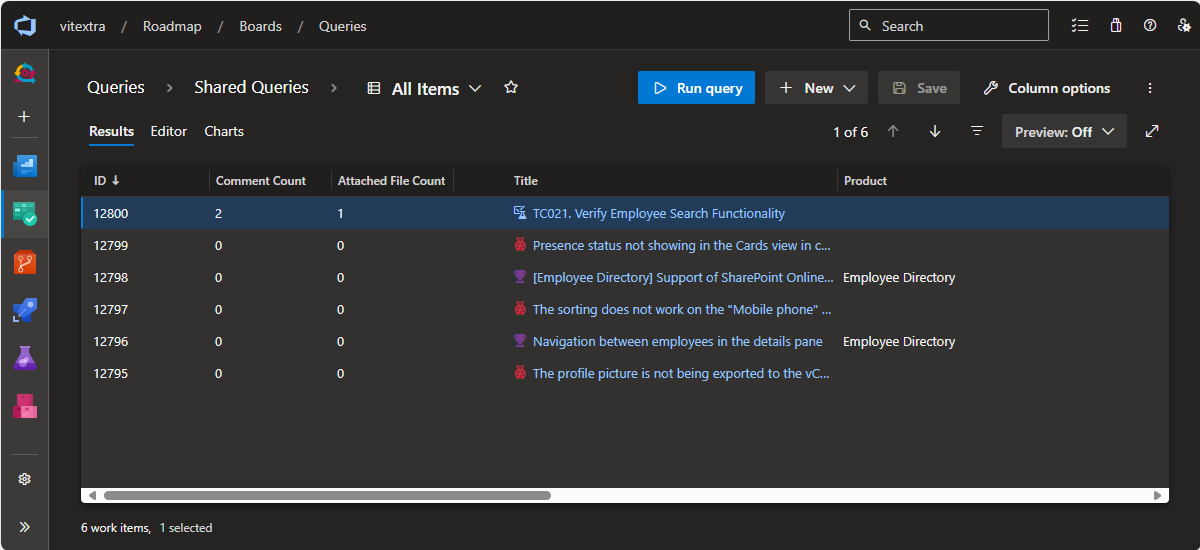
You need access to the Azure DevOps organization that will serve as the web part's data source. This means having an active Azure DevOps account and being a member of the organization where the queries are stored.
Without this access, the web part cannot fetch the data it needs.
📝 Note
Within SharePoint Online and Azure DevOps, the My Tasks solution calls the API and other services on behalf of the signed-in user.
For more about privacy and data protection, see the Data Protection when using Vitextra Application post.
3. Necessary Permissions to Read Information about Projects and Queries
Everyone who uses the web part needs the appropriate Azure DevOps permissions to read projects and queries - typically at least read access to the projects and queries shown on the SharePoint page.
Make sure users' Azure DevOps roles grant these permissions to avoid access issues during use.
Adding the Web Part
Once all prerequisites are in place, you can add the Azure DevOps Query web part to your SharePoint Online site.
Go to the page where you want the web part and click Edit. Then click the + icon to add a new web part - a list of available web parts appears.
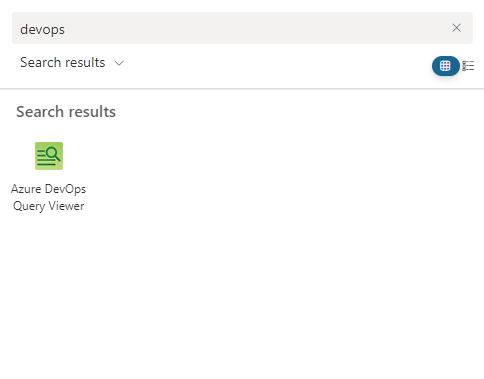
Search for the Azure DevOps Query web part in the list and select it to add it to the page.
Once it's added, the web part shows a notice that it isn't configured yet:
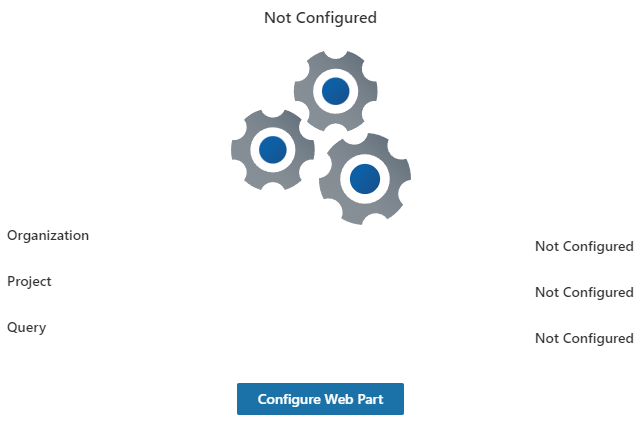
Configure it to display the query results you want.
Web Part Configuration
Click the Edit web part (pencil) icon or the Configure Web Part button to open the configuration pane.
Data Source
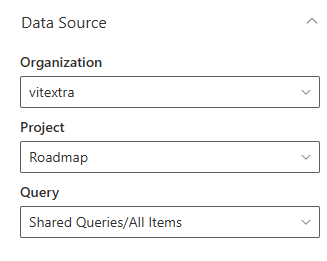
In the configuration pane, enter the details needed to connect to your Azure DevOps organization:
- Azure DevOps Organization.
- Project whose query results you want to display.
- The specific Query to display.
Supported Query Types
The Query drop-down offers saved queries of these types:
| Query type in Azure DevOps | How it is shown |
|---|---|
| Flat list of work items | A table; you can sort and group it. |
| Tree of work items | An expandable hierarchy; sorting and grouping are turned off. |
| Work items and direct links (one-hop) | An expandable hierarchy, like a tree query. |
Other query kinds are not offered. A query is loaded with its own columns and its own order, and at most 1000 work items are loaded per query.
📝 Note
Earlier versions of the web part supported flat queries only. Tree and direct-links queries are supported in the current version of My Tasks; make sure the solution is updated to the latest version.
Display Options
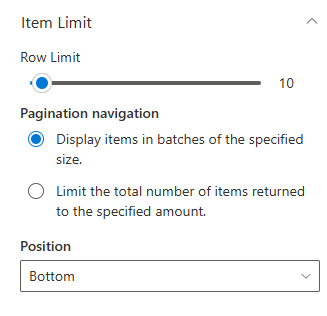
Use the Row Limit slider to set how many work items are displayed at a time.
To enable pagination, select Display items in batches of the specified size and choose where the pagination control appears (top, bottom, or both).
To disable pagination, select Limit the total number of items returned to the specified amount and enter the number you want.
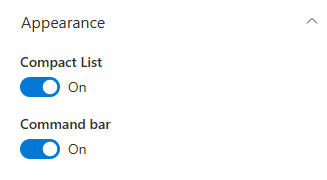
Appearance
The final section lets you customize how query results appear on your SharePoint Online site. Two key options are:
Compact List. Displays the results list in a more condensed format, so you can fit more information on screen with less scrolling.
Command Bar. Gives users quick access to actions for the displayed results, such as refreshing the data and exporting to Excel.
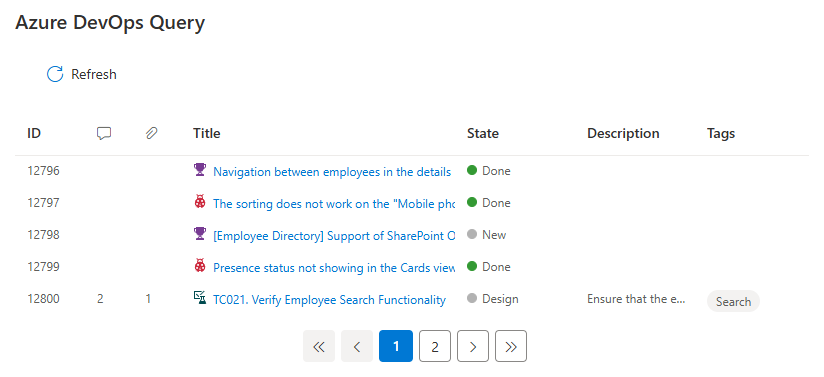
Result
After completing these steps, Azure DevOps query results are integrated into your SharePoint Online site. Your team can now view real-time Azure DevOps data directly in SharePoint, improving collaboration and project management efficiency.
Conclusion
The Azure DevOps Query web part brings up-to-date query results from Azure DevOps into SharePoint, so your team always sees the latest information without switching between platforms. With options like compact mode and the command bar, you can tailor the display to your needs and give everyone a single, shared view of project tasks and progress.